How To Fall Asleep Faster – 15 Proven Techniques That Work Tonight
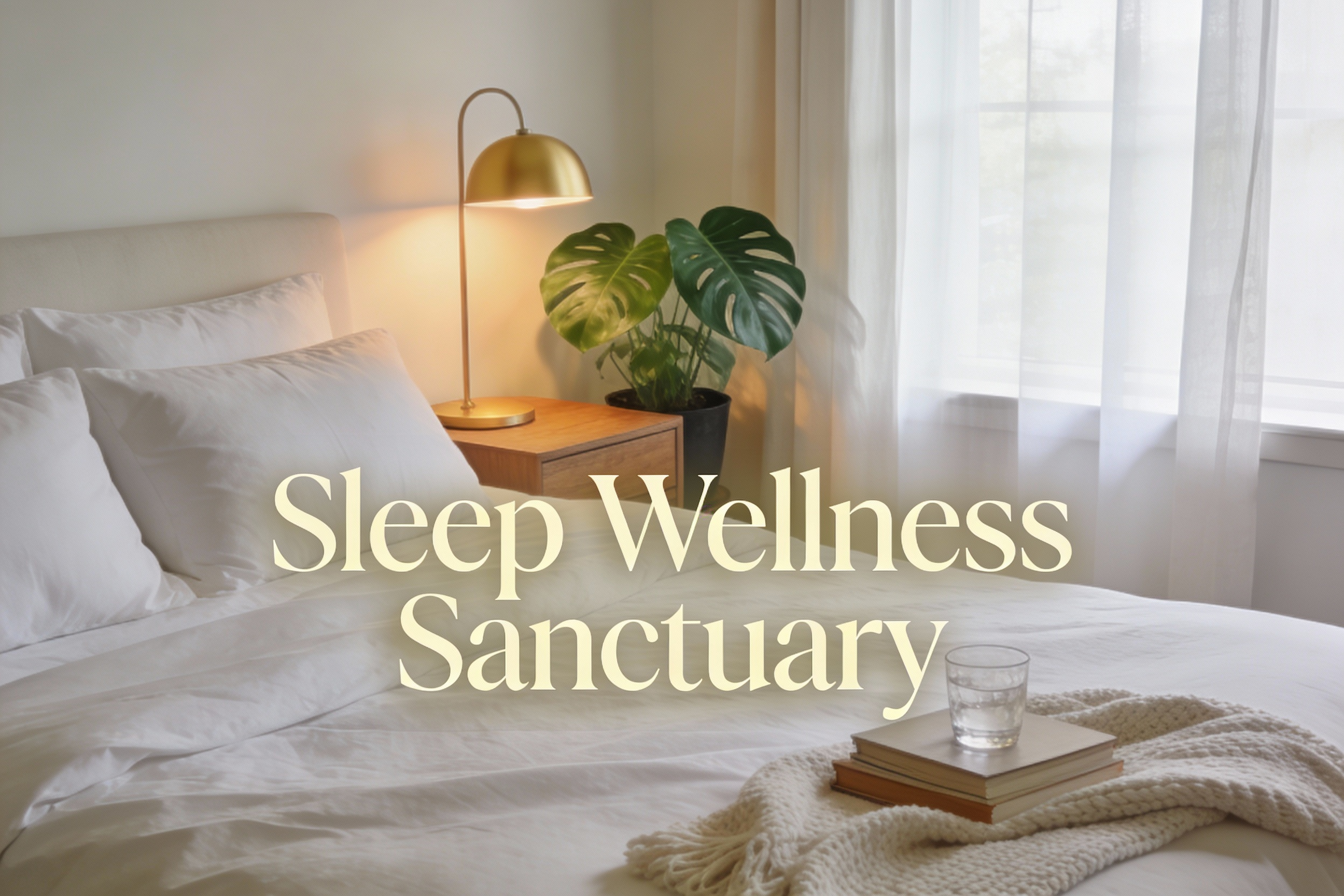
Table of Contents
So you’re lying there in bed, staring at the ceiling, watching the minutes tick by while your brain refuses to shut down, right? If you’re struggling with how to fall asleep faster, you’re definitely not alone – millions of people deal with sleep onset insomnia every single night, tossing and turning while precious sleep time slips away.
Here’s the thing though – you dont need to accept restless nights as your reality anymore. There are proven sleep induction techniques that can help you fall asleep quickly without reaching for sleeping pills or supplements. We’re talking about practical, science-backed strategies that you can implement starting tonight.
Whether you’ve been dealing with occasional sleeplessness or chronic insomnia that’s been dragging you down for months, these fifteen methods will give you real tools to finally drift off peacefully. And the best part? Most of them are completely free and take just minutes to implement.
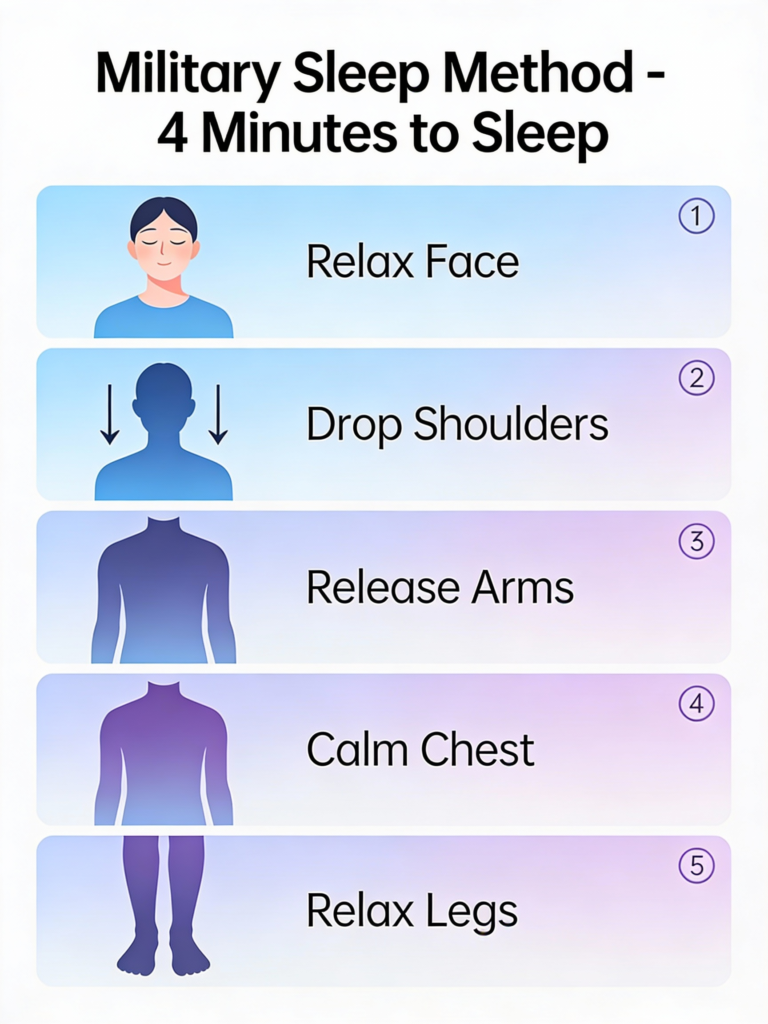
Image Description: Professional hero image showing a peaceful bedroom scene with soft lighting, a comfortable bed with white linens, and calming elements like a plant and dim lamp suggesting relaxation and sleep
Alt Text: how to fall asleep faster
Caption: Natural techniques to help you fall asleep faster without medication
Understanding Why You Cant Fall Asleep Fast Enough
Before we dive into the solutions for how to fall asleep faster, lets talk about why your brain keeps you awake in the first place. Your body has an internal clock called the circadian rhythm that regulates when you feel sleepy and when you feel alert. When this rhythm gets disrupted by stress, screen time, irregular schedules, or even what you ate for dinner, falling asleep becomes way harder than it should be.
Sleep onset insomnia – that specific struggle of not being able to fall asleep at bedtime even though you’re exhausted – affects about thirty to forty percent of adults at some point each year according to research from the National Institutes of Health. Your mind races, your body feels restless, and the harder you try to sleep, the more awake you become. Sound familiar?
The good news is that understanding these mechanisms gives us clear targets for intervention. When you use the right sleep induction techniques, you’re essentially working with your body’s natural processes rather than fighting against them.
The Four Minute Military Method To Fall Asleep Quickly
Lets start with one of the most talked-about techniques for helping you fall asleep faster – the military method that supposedly helps soldiers crash within minutes even in challenging conditions. The Sleep Foundation has extensively documented this approach.
Here’s how it works: Start by relaxing your entire face, including all the muscles around your eyes, mouth, and jaw. Then drop your shoulders as low as they’ll go, followed by relaxing your upper and lower arms one side at a time. Breathe out and relax your chest, then work your way down relaxing your legs from thighs to calves to feet.
Spend about ten seconds clearing your mind completely, then imagine one of these scenarios – you’re lying in a canoe on a calm lake with nothing but clear blue sky above you, or you’re lying in a black velvet hammock in a pitch-black room. If thoughts intrude, just repeat “dont think, dont think, dont think” for about ten seconds.
Military personnel reportedly achieved a ninety-six percent success rate after six weeks of practice. While results vary for civilians, many people find this progressive relaxation approach genuinely helpful for sleep onset insomnia.
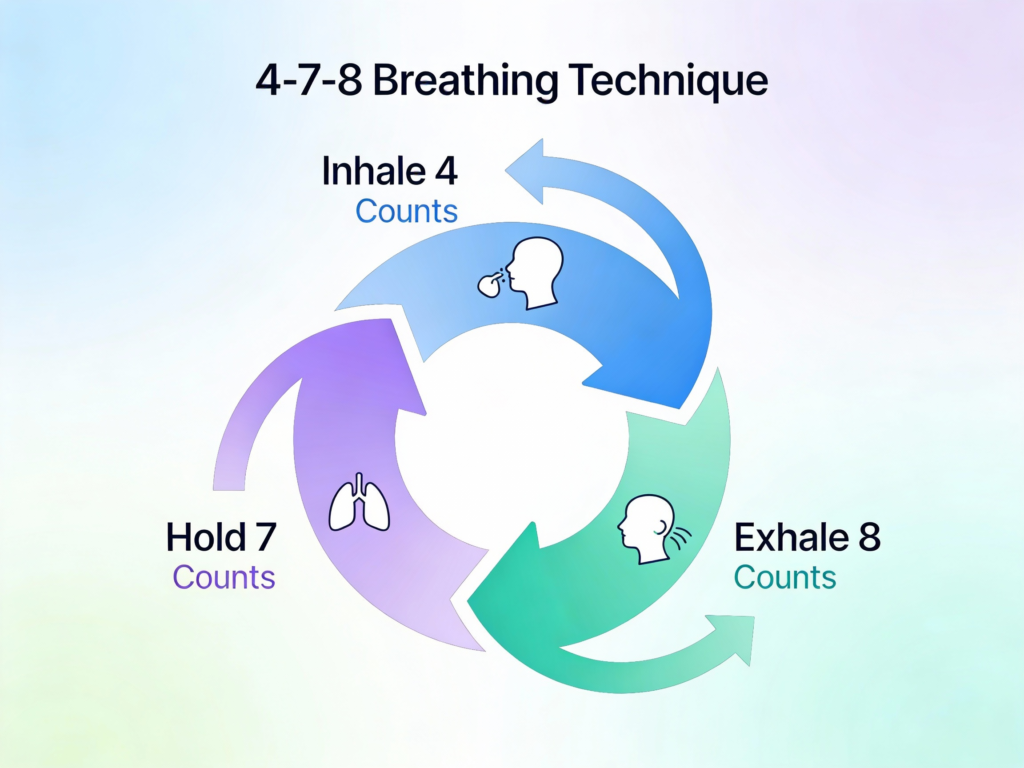
Image Description: Infographic showing the steps of the military sleep method with illustrated figures demonstrating facial relaxation, shoulder dropping, and body relaxation positions
Alt Text: fall asleep quickly
Caption: The military method helps you fall asleep quickly through systematic body relaxation
Reverse Psychology – Trying To Stay Awake Actually Helps
This one sounds totally backwards, but research shows it really works for some people struggling with how to fall asleep faster. Instead of desperately trying to fall asleep, you do the exact opposite – you actively try to stay awake with your eyes open.
The technique is called paradoxical intention, and studies published by Cleveland Clinic have found it reduces the performance anxiety that comes with insomnia. When you remove the pressure to fall asleep, you often end up drifting off naturally within minutes. Your brain stops viewing sleep as this impossible goal you’re failing at, and suddenly it becomes way easier.
Try lying in bed and consciously keeping your eyes open while staying still and relaxed. Tell yourself you’re gonna stay awake for as long as possible. Most people find their eyelids getting heavy within ten to fifteen minutes.
The 4-7-8 Breathing Pattern For Rapid Sleep Induction
Dr. Andrew Weil popularized this breathing technique as a natural tranquilizer for the nervous system, and tons of people swear by it as one of the best ways to fall asleep quickly. Healthcare experts at the NHS recommend breathing exercises as effective sleep induction techniques.
Here’s the pattern: Place the tip of your tongue against the ridge behind your upper front teeth and keep it there throughout the exercise. Exhale completely through your mouth making a whoosh sound. Close your mouth and inhale quietly through your nose for a count of four. Hold your breath for a count of seven. Then exhale completely through your mouth making a whoosh sound for a count of eight.
This completes one breath cycle. Repeat the cycle three more times for a total of four breaths. The 4-7-8 pattern acts as a natural sedative because the extended exhale activates your parasympathetic nervous system, which controls your rest and digest response.
People dealing with sleep onset insomnia often report feeling noticeably calmer and drowsier after just a couple rounds of this breathing pattern.
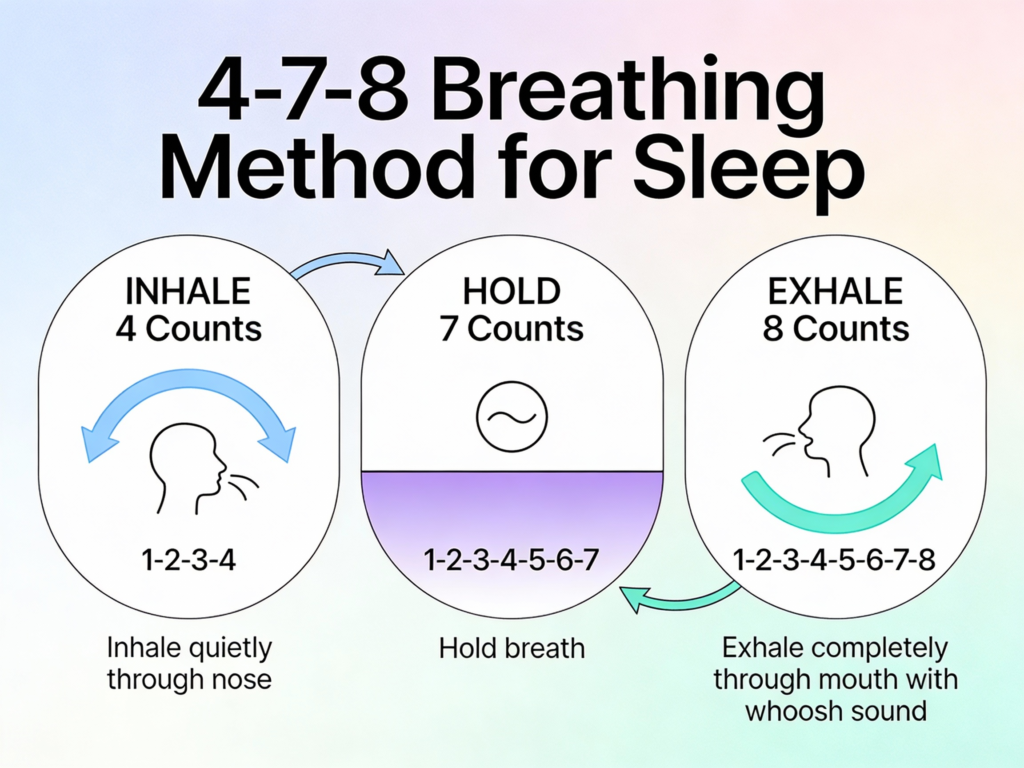
Image Description: Diagram or illustration showing the 4-7-8 breathing technique with visual representation of inhale for 4 counts, hold for 7 counts, exhale for 8 counts with calming colors
Alt Text: sleep induction techniques
Caption: The 4-7-8 breathing technique is one of the most effective sleep induction techniques for rapid relaxation
Progressive Muscle Relaxation From Toes To Head
This sleep induction technique has been studied extensively and consistently shows effectiveness for helping people fall asleep faster. Research in behavioral sleep medicine confirms its effectiveness. The premise is simple – you systematically tense and then relax different muscle groups throughout your body, which releases physical tension and quiets your mind.
Start with your toes – curl them tightly for five seconds, then release completely and notice the difference. Move up to your calves, tensing them hard and then letting go. Continue this pattern through your thighs, buttocks, stomach, chest, arms, hands, neck, and face.
By the time you’ve worked through your entire body, you’ll likely feel significantly more relaxed and ready for sleep. The focused attention required for this exercise also keeps your mind from wandering to stressful thoughts that fuel insomnia.
Many sleep specialists recommend this as a first-line intervention for sleep onset insomnia before considering medication.
Visualization – Mentally Walking Through A Peaceful Place
Your imagination can be an incredibly powerful tool for how to fall asleep faster. Visualization techniques work by giving your mind something calming to focus on instead of letting it spiral into anxiety or endless to-do lists.
Choose a peaceful scene that feels personally relaxing to you – maybe it’s a beach at sunset, a quiet forest trail, or a cozy cabin with a fireplace. Now mentally walk through this scene engaging all your senses. What do you see? What sounds do you hear? What can you smell? What textures can you feel?
The key is making the visualization as detailed and immersive as possible. This occupies your conscious mind with something pleasant while allowing your subconscious to ease into sleep. Many people find they dont even finish their visualization before drifting off.
This technique works particularly well for people whose sleep onset insomnia stems from racing thoughts and mental hyperactivity.
text
Image Description: Serene landscape image showing a peaceful beach at sunset or a tranquil forest path, representing the type of calming scene used in visualization techniques for sleep
Alt Text: how to fall asleep faster
Caption: Visualization is a powerful mental technique for how to fall asleep faster naturally
The Cognitive Shuffle – Confusing Your Brain Into Sleep
This newer technique developed by cognitive scientist Luc Beaudoin takes a totally different approach to helping you fall asleep quickly. The idea is to occupy your mind with random, non-threatening thoughts that prevent it from engaging in the kind of focused thinking that keeps you awake.
Here’s one version: Pick a random word like “bedtime” and visualize objects that start with each letter. For B you might picture a ball, a boat, a banana, a butterfly. When you run out of B words, move to E – elephant, envelope, eagle, egg. Continue through all the letters.
The randomness is key – you’re not trying to solve problems or think logically, just letting your mind wander through disconnected images. This mimics the kind of incoherent thoughts that naturally occur as you’re falling asleep, essentially tricking your brain into sleep mode.
Cooling Down Your Core Body Temperature
Your body temperature naturally drops as you fall asleep, which is why a bedroom that’s too warm can seriously interfere with how to fall asleep faster. Most sleep experts at the Sleep Foundation recommend keeping your bedroom between sixty to sixty-seven degrees Fahrenheit for optimal sleep.
Beyond adjusting your thermostat, you can actively cool yourself down by taking a warm bath or shower about ninety minutes before bed. This might sound counterintuitive, but when you get out of the warm water, your body temperature drops rapidly, triggering sleepiness.
You can also try the “cooling pillow flip” – flipping your pillow to the cool side when you’re having trouble falling asleep. Some people even keep a damp washcloth in the fridge and place it on their forehead or the back of their neck.
These temperature-based sleep induction techniques work with your body’s natural thermoregulation processes to promote faster sleep onset.
text
Image Description: Cool, comfortable bedroom setup with optimal temperature, showing a thermostat, breathable bedding, and cooling elements like a fan representing ideal sleep environment
Alt Text: sleep onset insomnia
Caption: Controlling bedroom temperature helps overcome sleep onset insomnia naturally
The Reverse Blink Method For Heavy Eyelids
This super simple technique helps you fall asleep faster by creating physical tiredness in your eye muscles. Lie on your back and look up toward your eyebrows with your eyes closed. Hold this position for about ten to fifteen seconds, then relax. The slight strain on your eye muscles combined with the closed eyelids triggers sleepiness for many people.
Some variations involve slowly blinking – closing your eyes very slowly, holding them closed for a few seconds, then opening them slowly. Repeat this several times. The deliberate, slow movement combined with the darkness when your eyes are closed helps initiate the sleep process.
White Noise Or Pink Noise For Consistent Sound
Environmental sounds can seriously impact how to fall asleep faster, but the solution isnt always silence. Many people with sleep onset insomnia actually sleep better with consistent background noise that masks disruptive sounds according to sleep medicine research.
White noise contains all frequencies at equal intensity, creating a static-like sound that many find soothing. Pink noise emphasizes lower frequencies, creating a softer sound similar to steady rainfall or rustling leaves. Research suggests pink noise may even enhance deep sleep and improve memory.
You can use a dedicated white noise machine, a fan, or apps on your phone. The key is consistency – your brain learns to associate that particular sound with sleep time, making it a powerful sleep cue.
text
Image Description: Peaceful bedroom nightstand with a white noise machine or sound device next to the bed, representing sound therapy for better sleep
Alt Text: fall asleep quickly
Caption: White or pink noise machines help many people fall asleep quickly by masking disruptive sounds
Acupressure Points That Promote Sleepiness
Traditional Chinese medicine identifies specific pressure points that can help you fall asleep quickly when stimulated correctly. While the scientific evidence is mixed, many people report genuine benefits from these techniques.
The “Spirit Gate” point is located on the crease of your wrist, directly below your pinky finger. Apply gentle pressure in a circular motion for about two to three minutes. Another helpful point is between your eyebrows where the bridge of your nose meets your forehead – apply gentle pressure here for about one minute.
There’s also a point on the sole of your foot, about one-third of the way down from your toes. Applying firm pressure here for several minutes supposedly promotes relaxation and sleep.
These sleep induction techniques are worth trying if you’re looking for non-pharmaceutical approaches to insomnia.
The Alpha Bridge – Binaural Beats For Brain Waves
Your brain operates at different frequencies throughout the day, and as you fall asleep, your brain waves shift from beta (alert, active) to alpha (relaxed, drowsy) to theta (light sleep). Binaural beats are designed to help your brain make this transition faster.
When you listen to two slightly different frequencies in each ear through headphones, your brain perceives a third tone – the difference between the two. Binaural beats in the theta range (four to eight Hz) or delta range (one to four Hz) are designed to promote sleep.
Research on effectiveness is somewhat mixed, but many people struggling with how to fall asleep faster report that binaural beats genuinely help them feel drowsier. You can find countless sleep-focused binaural beat tracks on YouTube and streaming services.
text
Image Description: Person wearing comfortable headphones in bed with eyes closed, suggesting listening to binaural beats or sleep sounds for relaxation
Alt Text: sleep induction techniques
Caption: Binaural beats are modern sleep induction techniques that use sound frequencies to promote drowsiness
Limiting Blue Light And Screen Exposure
This one you’ve probably heard before, but it’s so critical for how to fall asleep faster that it deserves emphasis. The blue light emitted by phones, tablets, computers, and TVs suppresses melatonin production – the hormone that signals to your body that it’s time to sleep.
Ideally, you’d avoid all screens for at least an hour before bed. If that’s not realistic, use blue light blocking glasses or enable night mode on your devices. Most smartphones now have settings that automatically reduce blue light in the evening.
Many people with sleep onset insomnia notice dramatic improvement simply by implementing stricter screen time boundaries before bed.
The Body Scan Meditation Technique
This mindfulness-based approach helps you fall asleep quickly by systematically bringing awareness to different parts of your body while maintaining a relaxed, non-judgmental attitude. Unlike progressive muscle relaxation where you actively tense muscles, body scan meditation is purely observational.
Start at the top of your head and slowly move your attention down through your body – your face, neck, shoulders, arms, hands, chest, stomach, hips, legs, feet. Notice any sensations without trying to change them. Notice tension, warmth, coolness, tingling, or nothing at all.
The practice keeps your mind occupied with present-moment awareness rather than ruminating on stressors. Many people fall asleep before completing a full body scan.
text
Image Description: Peaceful illustration or photo showing a person lying in bed in a relaxed position with subtle overlay indicating body awareness zones from head to toe for meditation
Alt Text: how to fall asleep faster
Caption: Body scan meditation teaches you how to fall asleep faster through mindful relaxation
Counting Backwards From 300 By Threes
This classic sleep induction technique works by occupying your mind with a task that’s challenging enough to prevent anxious thoughts but boring enough to make you drowsy. Start at three hundred and count backwards by threes – 300, 297, 294, 291, and so on.
The mental effort required keeps your mind from wandering to worries, but the monotony of the task promotes sleepiness. Most people dont make it past fifty or sixty before drifting off.
Variations include visualizing each number written on a chalkboard or imagining sheep jumping over a fence with each number. The key is choosing something repetitive and mentally engaging but not stimulating.
Creating A Pre-Sleep Wind-Down Routine
One of the most effective long-term strategies for how to fall asleep faster is establishing a consistent bedtime routine that signals to your body that sleep is approaching. Healthcare professionals at Cleveland Clinic emphasize the importance of sleep routines.
Your routine might include dimming the lights, taking a warm shower, doing some gentle stretches, reading a few pages of a book, and practicing deep breathing.
The specifics matter less than the consistency. When you do the same sequence of activities every night before bed, your body starts anticipating sleep and initiating the biological processes that promote drowsiness.
People with chronic sleep onset insomnia often notice improvement within a week or two of establishing a solid wind-down routine.
text
Image Description: Sequence of calming bedtime routine activities shown in frames: dimming lights, reading a book, drinking herbal tea, and relaxing in comfortable pajamas
Alt Text: fall asleep quickly
Caption: A consistent wind-down routine helps you fall asleep quickly by signaling your body it’s time for rest
Getting Out Of Bed If Sleep Doesnt Come
This might seem counterintuitive, but sleep experts at the Sleep Foundation universally recommend that if you’ve been lying awake for more than twenty minutes, you should get out of bed and do something calm and relaxing in dim light until you feel sleepy again.
Why? Because lying in bed frustrated and anxious about not sleeping creates a negative association between your bed and wakefulness. You want your brain to strongly associate your bed with sleep, not with tossing and turning.
Choose a quiet activity like reading, gentle stretching, or listening to calming music. Avoid screens if possible. When you feel drowsy again, return to bed and try your favorite sleep induction techniques.
Combining Multiple Techniques For Best Results
The truth about how to fall asleep faster is that different techniques work for different people, and you might need to experiment to find what works best for you. Many people find that combining several approaches produces the best results.
For example, you might start with the 4-7-8 breathing pattern, then move into progressive muscle relaxation, and finish with visualization if you’re still awake. Or you might use white noise throughout the night while practicing the body scan meditation as you’re falling asleep.
The key is being patient with yourself and consistent with whichever sleep induction techniques you choose to try. Most methods take at least a week or two of regular practice before you’ll see their full benefits.
text
Image Description: Infographic showing multiple sleep techniques combined in a circular or layered diagram: breathing exercises, muscle relaxation, visualization, temperature control, and routine
Alt Text: sleep onset insomnia
Caption: Combining multiple approaches helps address sleep onset insomnia more effectively than relying on just one technique
When To Seek Professional Help For Sleep Issues
While these techniques help many people fall asleep quickly, sometimes sleep onset insomnia indicates an underlying condition that requires professional treatment. If you’ve tried multiple strategies consistently for several weeks without improvement, or if your sleep problems are significantly impacting your daily functioning, it’s time to consult a healthcare provider.
Conditions like sleep apnea, restless leg syndrome, anxiety disorders, and depression can all contribute to insomnia and may require specific treatments. Cognitive behavioral therapy for insomnia (CBT-I) is considered the gold standard treatment and has strong research support for long-term effectiveness.
Research shows that CBT-I delivers lasting results for chronic insomnia sufferers without the side effects of medication.
The Bottom Line On Falling Asleep Faster
Learning how to fall asleep faster isn’t about finding one magic trick that works instantly every time – it’s about building a toolkit of techniques you can draw from based on what you need on any given night. Some nights the 4-7-8 breathing will knock you out immediately, while other nights you might need the full progressive muscle relaxation routine plus visualization.
The fifteen methods we’ve covered give you plenty of options to experiment with, from breathing patterns and muscle relaxation to environmental changes and cognitive techniques. Most importantly, they’re all natural, free, and side-effect free unlike sleeping pills.
Start by picking two or three techniques that appeal to you most and commit to trying them consistently for at least a week. Pay attention to what works, adjust your approach as needed, and remember that better sleep is absolutely within your reach.
text
Image Description: Peaceful image of someone sleeping soundly in a comfortable bed with serene expression, representing successful sleep and rest achieved through natural techniques
Alt Text: how to fall asleep faster
Caption: Master how to fall asleep faster with these proven natural techniques for better sleep tonight