7 Powerful Paleo Diet Benefits That Transform Your Health
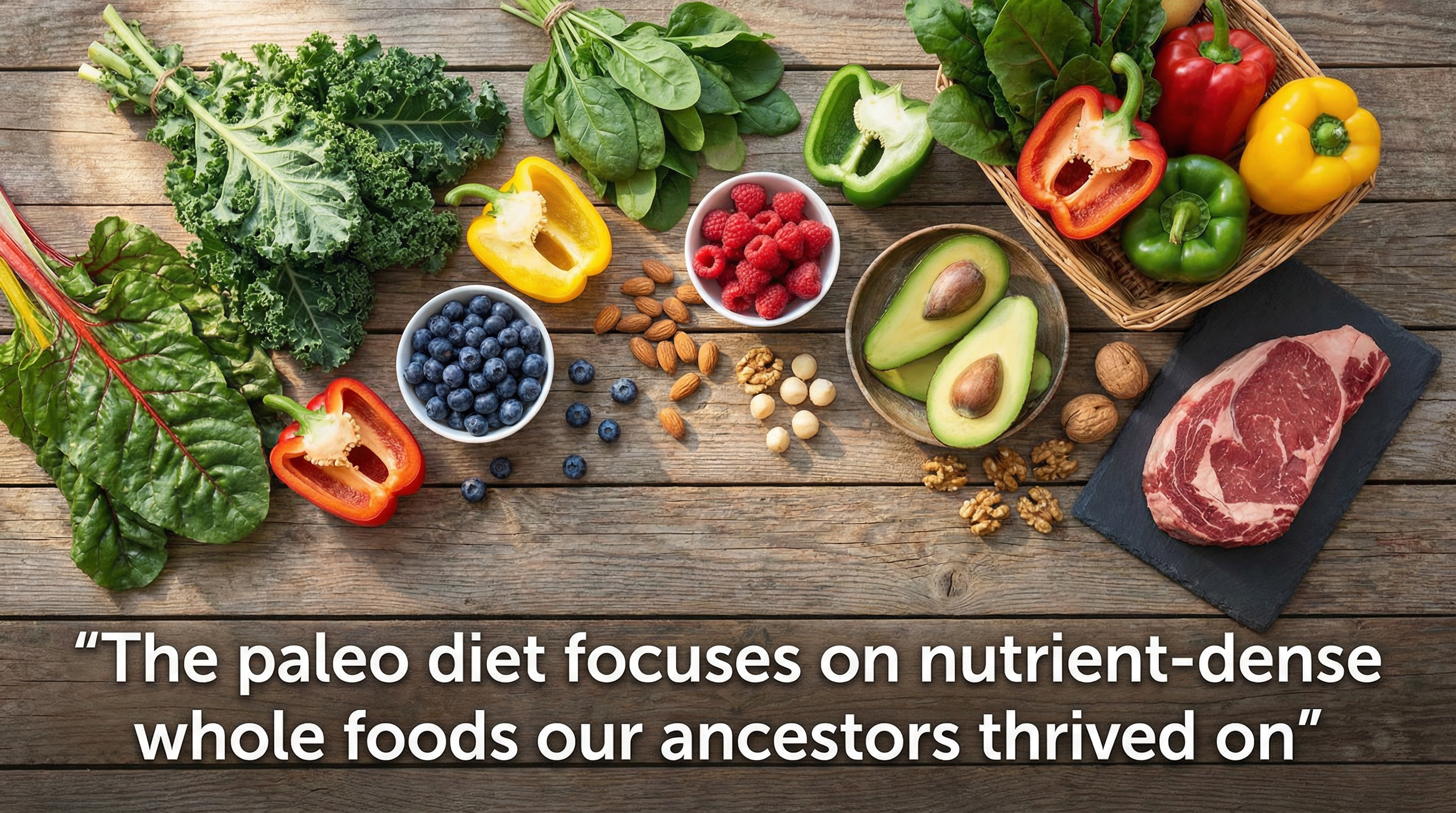
Table of Contents
So you’ve probably heard people raving about the paleo diet, right? Maybe your gym buddy lost 20 pounds eating like a caveman, or your cousin won’t shut up about how eliminating grains changed her life. And you’re sitting there wondering if this whole ancestral diet thing is legit or just another wellness trend that’ll disappear faster than your New Year’s resolutions.
Here’s the truth – the paleo diet isn’t some fad dreamed up by marketing gurus. It’s based on eating the way our hunter-gatherer ancestors did before agriculture came along and messed everything up. We’re talking meat, fish, vegetables, fruits, nuts, and seeds – basically the whole foods approach that humans thrived on for millions of years.
The science behind this eating pattern is actually pretty compelling, and the benefits go way beyond just dropping a few pounds. Let’s dig into what really happens when you ditch processed junk and start eating real food again.
What Actually Is the Paleo Diet and Why Should You Care
The paleo diet strips things down to basics. Think about what paleolithic humans had access to before farming revolutionized society about 10,000 years ago. No bread, no pasta, no processed sugar – just wild game, fish, gathered plants, seasonal fruits, and whatever nuts they could find.
Modern versions of this ancestral diet allow you to eat grass-fed meats, wild-caught fish, eggs, vegetables, fruits, nuts, seeds, and healthy fats like avocado and olive oil. What’s off the table? Grains, legumes, dairy, refined sugar, processed foods, and basically anything that comes in a package with ingredients you can’t pronounce.
The logic is simple but powerful – our genes haven’t changed much in the last 10,000 years, but our diet sure has. Agriculture brought us convenience, but it also brought us foods our bodies weren’t designed to handle efficiently. The result? Rising rates of obesity, diabetes, heart disease, and autoimmune conditions.
By returning to a hunter-gatherer diet pattern, you’re essentially eating in alignment with your genetic blueprint. And that’s where the magic happens.
Weight Loss Without Counting a Single Calorie
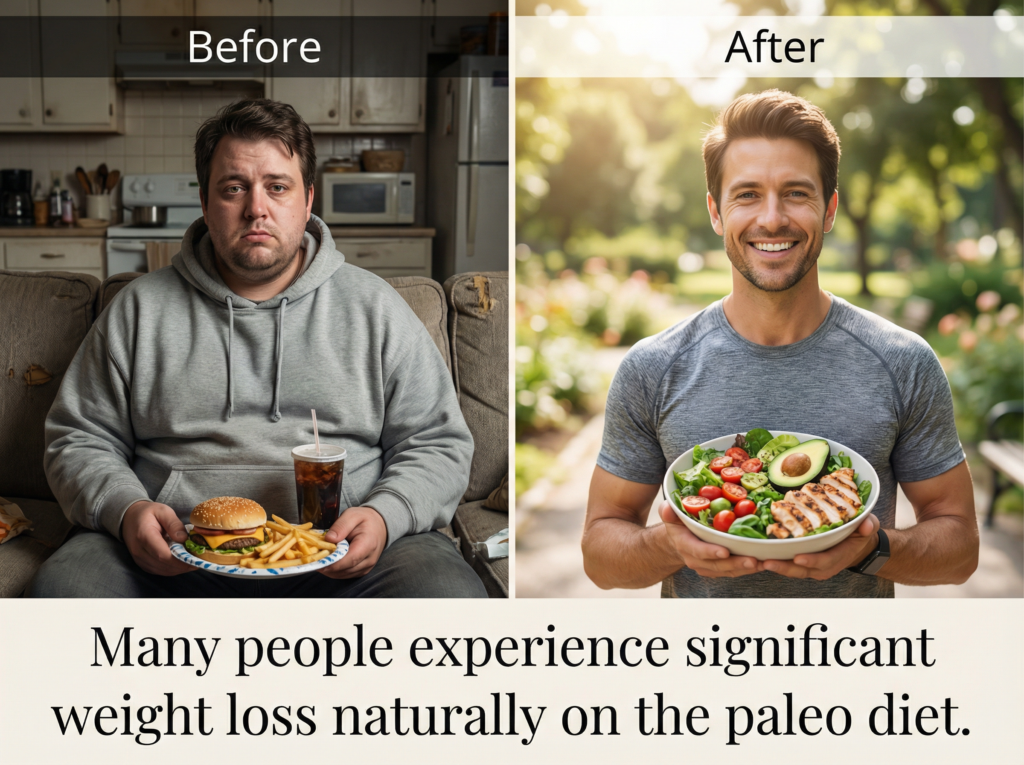
Here’s what drives most people to try the paleo diet initially – the weight just falls off without the misery of calorie counting or portion control. And no, I’m not exaggerating.
When you eliminate processed carbs and focus on protein, healthy fats, and fibrous vegetables, something incredible happens to your appetite regulation. Protein keeps you full longer than any other macronutrient, while healthy fats provide sustained energy without the blood sugar roller coaster. You naturally eat less because you’re actually satisfied.
Research published in scientific journals shows that paleo diet followers consume fewer calories spontaneously – not because they’re restricting, but because whole foods are more satiating. A piece of grilled salmon with roasted veggies keeps you full for hours, while a bagel leaves you hungry again in 90 minutes.
The whole foods approach also eliminates the hyperpalatable combinations that food scientists engineered to make you overeat. When was the last time you binged on plain chicken breast and broccoli? Exactly. But put some chips in front of you and suddenly the whole bag disappears.
Plus, cutting out refined carbs and sugar stabilizes insulin levels, which makes your body better at burning stored fat for fuel. You’re not just losing water weight – you’re actually tapping into fat stores efficiently.
Blood Sugar Stability That Actually Lasts
If you’ve ever experienced that mid-afternoon energy crash where you’d sell your soul for a nap, you know what blood sugar chaos feels like. The standard modern diet – loaded with refined carbs and sugar – sends your glucose on a wild ride all day long.
The paleo diet completely changes this game. By eliminating refined grains and sugars while emphasizing protein, fat, and fiber, you get steady energy throughout the day. No more spikes and crashes. No more hangry meltdowns at 3 PM.
This matters way beyond just feeling energized. Stable blood sugar means better insulin sensitivity, which is your best defense against type 2 diabetes. Evidence from clinical studies at institutions like the National Institutes of Health demonstrates that following an ancestral diet pattern improves glucose tolerance and reduces insulin resistance dramatically.
For people already dealing with metabolic issues, the results can be life-changing. Many folks have been able to reduce or eliminate diabetes medications by switching to this eating style. When you stop flooding your system with foods that spike blood sugar, your pancreas gets a break and your cells become more responsive to insulin again.
Even if you don’t have diabetes, maintaining stable blood sugar protects your long-term health. It reduces inflammation, protects your cardiovascular system, and helps prevent the metabolic dysfunction that plagues so many people today.
Reduced Inflammation Throughout Your Entire Body
Inflammation is sneaky. It’s the root cause behind so many modern health problems – arthritis, heart disease, autoimmune conditions, even depression and cognitive decline. And guess what’s fueling chronic inflammation in most people? Their diet.
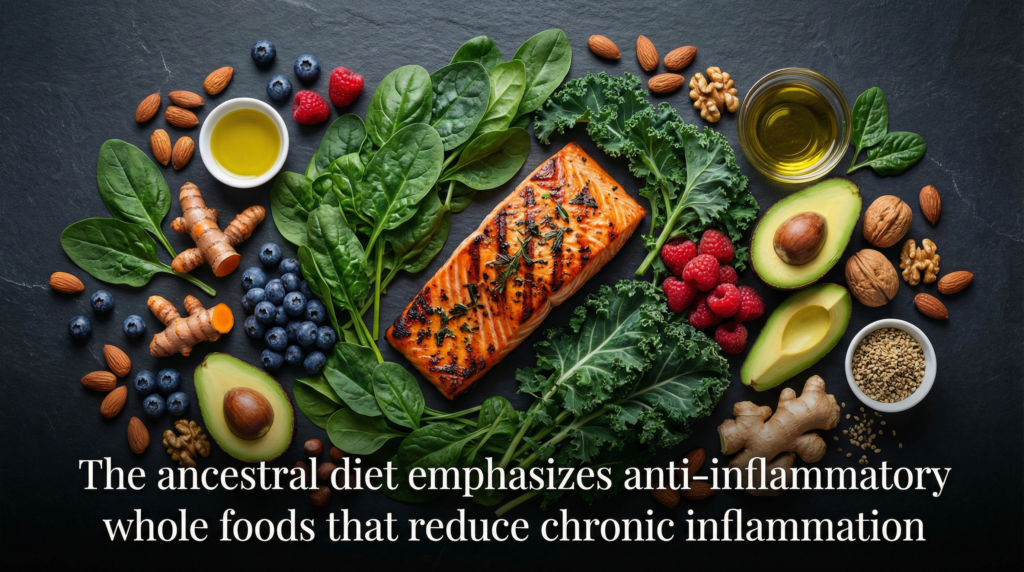
The paleo diet attacks inflammation from multiple angles. First, you’re eliminating major inflammatory triggers like refined vegetable oils, processed sugars, and grains that can irritate the gut lining. Second, you’re loading up on anti-inflammatory foods rich in omega-3 fatty acids, antioxidants, and phytonutrients.
Wild-caught fish provides omega-3s that actively calm inflammatory pathways. Colorful vegetables deliver antioxidants that neutralize free radicals. Grass-fed meat contains better omega-6 to omega-3 ratios compared to grain-fed options. The whole foods approach naturally provides the nutrients your body needs to keep inflammation in check.
People with autoimmune conditions often report dramatic improvements on the paleo diet. Joint pain decreases, skin conditions clear up, and digestive issues resolve. This happens because you’re removing foods that trigger immune responses while nourishing your body with healing nutrients.
Even subtle inflammation you didn’t know you had starts disappearing. That bloated feeling after meals? Gone. Brain fog? Cleared up. Achy joints you thought were just part of getting older? Suddenly feeling better.
Digestive Health That Actually Works
Your gut is basically mission control for your entire health, and the paleo diet gives it exactly what it needs to thrive. Modern processed foods wreak havoc on digestive systems – causing bloating, gas, irregular bowel movements, and more serious conditions like IBS and leaky gut.
By eliminating common gut irritants like gluten, industrial seed oils, and artificial additives, many people experience dramatic digestive improvements within weeks. The hunter-gatherer diet pattern is naturally rich in fiber from vegetables and fruits, which feeds beneficial gut bacteria and keeps things moving smoothly.
Fermented foods that fit the paleo framework – like sauerkraut, kimchi, and kombucha – provide probiotics that populate your gut with healthy bacteria. Meanwhile, bone broth supplies collagen and amino acids that actually heal and seal the gut lining.
For people dealing with conditions like Crohn’s disease, ulcerative colitis, or irritable bowel syndrome, an ancestral diet approach can be transformative. Removing inflammatory foods gives the gut time to heal, while nutrient-dense whole foods provide the building blocks for repair.
Even if you don’t have diagnosed digestive issues, you’ll probably notice improvements. Better nutrient absorption means you get more value from everything you eat. Regular, comfortable digestion becomes normal instead of something you have to manage constantly.
Heart Health Benefits That Might Surprise You
Wait, doesn’t the paleo diet include lots of saturated fat and cholesterol? Won’t that destroy your heart? This is probably the biggest misconception about eating this way, and the science tells a very different story.
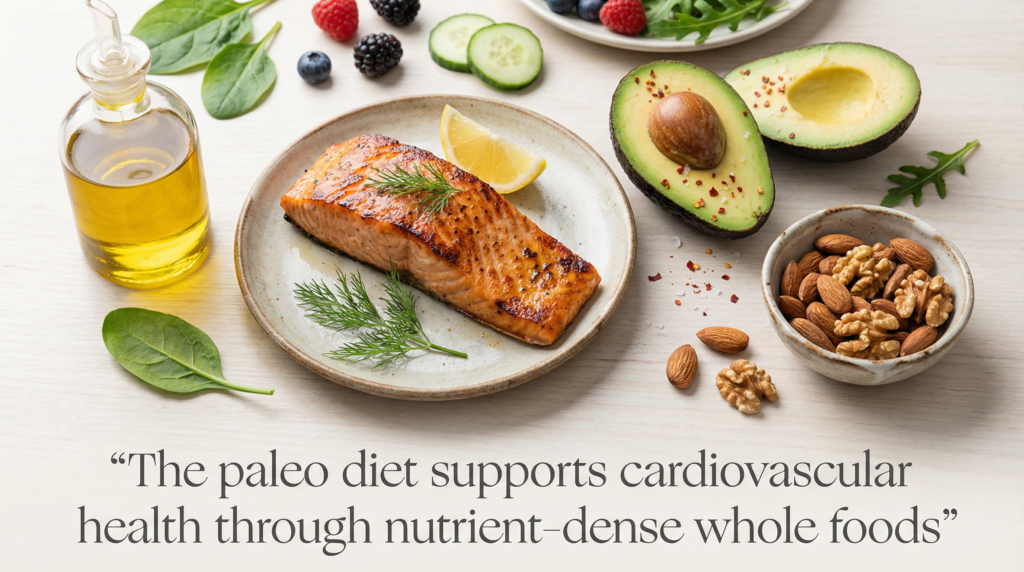
Multiple studies show that people following a paleo diet actually improve their cardiovascular risk markers. We’re talking lower triglycerides, increased HDL cholesterol, better LDL particle size, and reduced blood pressure. The whole foods approach naturally eliminates trans fats and oxidized oils that truly damage arteries.
Here’s what actually matters for heart health – reducing inflammation, stabilizing blood sugar, and avoiding oxidized and damaged fats from processed foods. The ancestral diet checks all these boxes. Grass-fed meat provides beneficial omega-3s and CLA. Wild fish delivers heart-protective fatty acids. Nuts and avocados supply monounsaturated fats that support cardiovascular function.
The sugar and refined carbs you eliminate on this eating plan? Those are the real culprits behind heart disease, not the steak and eggs you’re eating for breakfast. When you remove the foods that cause insulin resistance and chronic inflammation, your cardiovascular system thrives.
Plus, weight loss that often comes with the paleo diet reduces strain on your heart and improves circulation. Better blood sugar control means less arterial damage. Reduced inflammation means healthier blood vessels. It all works together.
Mental Clarity and Cognitive Function That Feels Like a Superpower
Brain fog isn’t normal, even though it’s become incredibly common. That fuzzy-headed feeling where you can’t focus or remember simple things? It’s often directly related to what you’re eating.
The paleo diet provides your brain with exactly what it needs to function optimally. Healthy fats from fish, nuts, and avocados supply the building blocks for brain cells and neurotransmitters. Quality protein provides amino acids necessary for cognitive function. Stable blood sugar means consistent energy for your brain all day long.
Many people report that switching to an ancestral diet feels like someone turned the lights on upstairs. Concentration improves, memory sharpens, and mental energy becomes reliable instead of sporadic. This isn’t placebo – it’s basic biochemistry that researchers at The Paleo Diet Foundation (https://thepaleodiet.com) have documented extensively.
Your brain runs on glucose and ketones. When you’re constantly spiking blood sugar with refined carbs, you get energy crashes that affect cognitive performance. The whole foods approach provides steady fuel without the crashes. Some people even shift into mild ketosis eating this way, which many find enhances mental clarity even further.
Omega-3 fatty acids from wild fish are particularly important for brain health. They reduce neuroinflammation, support neurotransmitter function, and protect against cognitive decline. The paleo diet naturally provides these in much higher amounts than the standard modern diet.
Additionally, eliminating foods that trigger inflammation or sensitivities can clear up brain fog you didn’t even realize was diet-related. Gluten sensitivity affects cognition in many people, even without celiac disease. Remove the trigger, clear the fog.
Better Sleep Quality Without Supplements or Sleep Aids
Here’s a benefit people don’t always connect to the paleo diet – dramatically improved sleep. But it makes perfect sense when you understand the mechanisms involved.
Blood sugar stability plays a huge role in sleep quality. When you eat a high-carb dinner and your blood sugar crashes in the middle of the night, cortisol spikes to bring it back up. That cortisol surge wakes you up or prevents deep sleep. The hunter-gatherer diet prevents these nighttime blood sugar crashes by keeping things stable.
The ancestral diet also tends to be higher in magnesium from nuts, seeds, and leafy greens – a mineral crucial for sleep quality that most people are deficient in. You’re getting natural melatonin precursors from quality animal proteins. And you’re avoiding the caffeine-laden energy drinks and sugary snacks people use to combat the energy crashes caused by poor diet.
Reduced inflammation throughout your body means less pain and discomfort disrupting your sleep. Better gut health means fewer nighttime digestive issues. The whole foods approach creates an internal environment conducive to deep, restorative sleep.
Many people find they need less sleep overall when eating this way because the sleep they get is higher quality. They wake up refreshed instead of groggy, even with slightly fewer hours. That’s the difference between empty sleep hours and truly restorative rest.

Increased Energy Levels That Last All Day Long
Remember earlier when we talked about blood sugar stability? Well, that translates directly into sustained energy that doesn’t quit halfway through your day. The paleo diet turns you into an efficient fat-burning machine instead of a sugar-dependent mess.
When you’re eating refined carbs all day, you’re stuck on the glucose roller coaster – energy spike, crash, reach for more carbs, repeat. It’s exhausting just describing it. The ancestral diet breaks this cycle completely.
By emphasizing protein and healthy fats alongside fibrous vegetables, you give your body slow-burning fuel that provides steady energy for hours. Your mitochondria – the energy factories in your cells – start functioning more efficiently when they’re not constantly overwhelmed with processed junk.
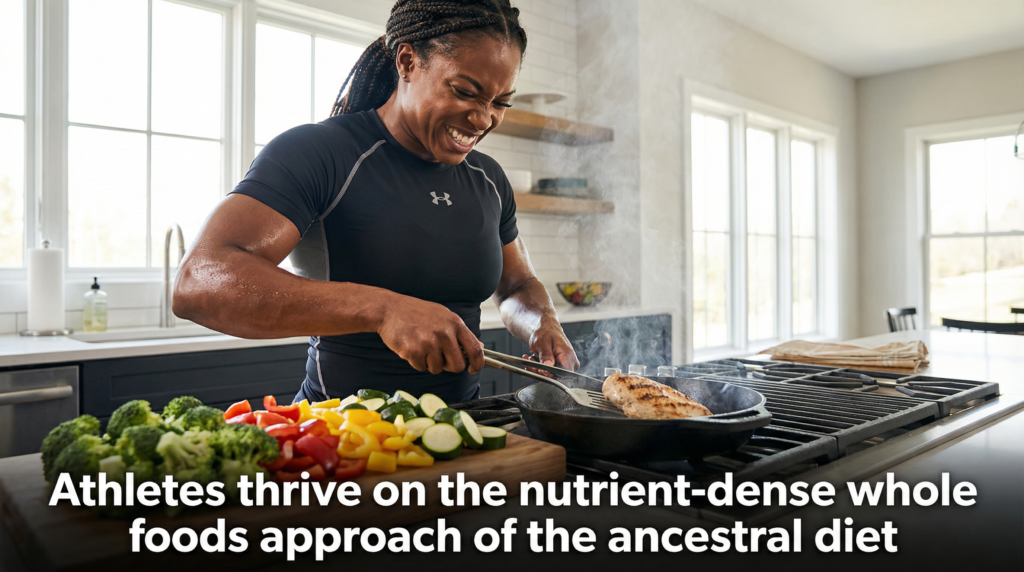
Athletes and active people particularly notice this benefit. You can train harder and recover faster when your body has proper building blocks and clean fuel. The whole foods approach provides nutrients your muscles and organs actually need instead of empty calories that create more work for your detox systems.
Many people report needing less caffeine or giving it up entirely after adapting to the paleo diet. Natural energy becomes reliable enough that you don’t need artificial stimulation to function. Imagine waking up actually feeling rested and maintaining that energy throughout the entire day without crashes or desperate coffee runs.
Enhanced Athletic Performance and Faster Recovery
If you’re active or into fitness, the paleo diet offers serious advantages for performance and recovery. Your body becomes better at accessing stored fat for fuel, which is essentially unlimited energy compared to limited glycogen stores.
The high protein intake supports muscle repair and growth. Quality animal proteins provide all essential amino acids in optimal ratios for recovery. Anti-inflammatory foods reduce exercise-induced inflammation and soreness, letting you train harder more frequently.
Micronutrient density matters too. The hunter-gatherer diet provides iron, zinc, B vitamins, and other nutrients crucial for athletic performance in highly bioavailable forms. You’re not just getting calories – you’re getting the raw materials your body needs to build and repair tissues.
Many endurance athletes thrive on this eating pattern once they’re fat-adapted. Instead of bonking when glycogen runs out, they can tap into fat stores efficiently for sustained energy. Strength athletes appreciate the high protein intake and reduced inflammation supporting their recovery.
The whole foods approach also eliminates the gut distress that processed sports nutrition products cause many athletes. Real food sits better, digests easier, and provides more complete nutrition than engineered supplements.
Getting Started with the Paleo Diet Without Losing Your Mind
Alright, so maybe you’re sold on the benefits and ready to give this ancestral diet thing a shot. But where do you even start? The thought of completely overhauling your diet can feel overwhelming.
Start simple. Don’t try to perfect everything overnight. Begin by eliminating the obvious processed junk – sugary snacks, sodas, packaged foods with ingredient lists longer than your grocery receipt. Replace those with whole foods you already enjoy.
Build your meals around quality protein sources – grass-fed meat when possible, wild-caught fish, pastured eggs, and poultry. Add generous portions of colorful vegetables. Include healthy fats from avocados, nuts, seeds, olive oil, and coconut oil. Keep some fruit around for when you want something sweet.
Stock your kitchen with paleo diet staples so you’re not tempted by old habits. Having compliant snacks ready prevents desperate moments where you cave and order pizza. Sweet potato chips, beef jerky, mixed nuts, hard-boiled eggs – these become your go-to options.
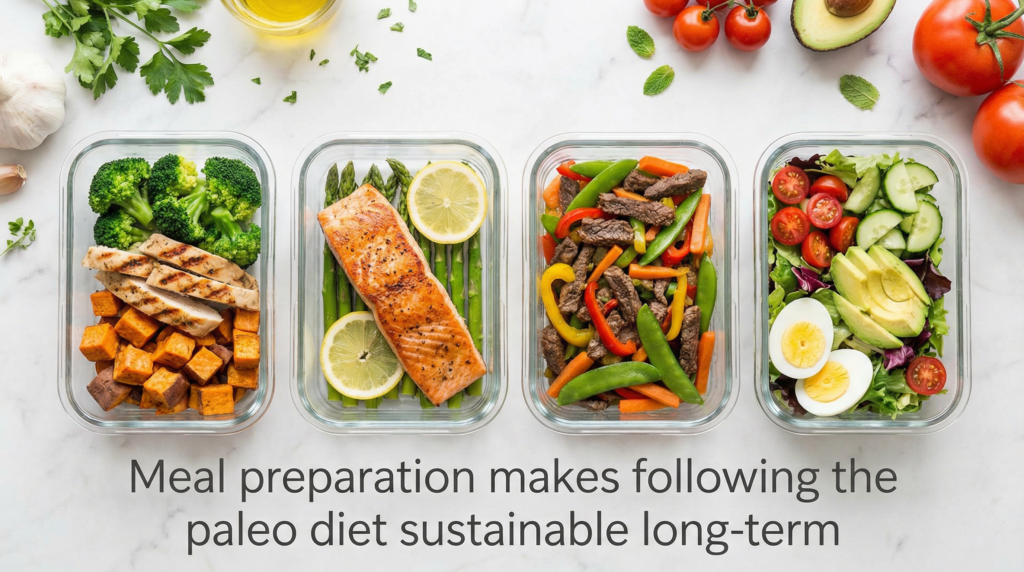
Meal prep makes everything easier. Spend a few hours on Sunday cooking proteins and chopping vegetables so healthy meals are just as convenient as unhealthy ones throughout the week. Resources like Paleo Leap (https://paleoleap.com) offer hundreds of practical recipes that make the whole foods approach delicious and sustainable.
Expect an adjustment period. The first week or two might feel rough as your body adapts from burning sugar to burning fat efficiently. Some people experience temporary fatigue, headaches, or cravings. Push through – it gets so much better. Most people feel dramatically better by week three.
Common Mistakes People Make When Starting the Paleo Diet
Even with good intentions, there are some traps that trip people up when transitioning to the paleo diet. Let’s save you some frustration by highlighting what not to do.
Not eating enough – This isn’t a starvation diet. When you cut out grains and processed foods, you need to replace those calories with nutrient-dense options. Don’t be afraid of eating generous portions of healthy fats and quality proteins.
Going too low-carb accidentally – Unless you’re specifically trying to be ketogenic, you don’t need to fear carbs from sweet potatoes, fruits, and starchy vegetables. These provide important nutrients and energy, especially if you’re active.
Forgetting about vegetables – Some people interpret the hunter-gatherer diet as “just eat meat.” Wrong. Vegetables should fill half your plate at most meals. They provide fiber, micronutrients, and phytonutrients crucial for health.
Buying into paleo junk food – Just because something is labeled paleo doesn’t make it health food. Almond flour cookies and paleo brownies are still treats, not everyday staples. The whole foods approach means actual whole foods, not recreations of processed treats.
Not planning ahead – Winging it leads to poor choices when you’re hungry and unprepared. Meal planning and batch cooking are essential for success, especially initially.
Being too rigid socially – The ancestral diet should improve your life, not make you miserable. Having some flexibility for social situations prevents burnout and resentment.
The Science Behind Why the Paleo Diet Works So Well
Let’s get into the nerdy stuff for a minute. The paleo diet isn’t based on wishful thinking – there are real biological mechanisms explaining why it works.
First, nutrient density. Modern processed foods provide tons of calories but minimal nutrition. The whole foods approach flips this – you get maximum nutrients per calorie. Your body gets what it actually needs, so cravings for nutrients disappear.
Second, elimination of antinutrients. Grains and legumes contain compounds like phytic acid and lectins that interfere with nutrient absorption and can irritate the gut. Removing these allows better absorption of minerals and reduces digestive inflammation.
Third, omega fatty acid balance. The standard modern diet has a terrible omega-6 to omega-3 ratio, promoting inflammation. The ancestral diet brings this ratio back to something closer to what our genes expect, reducing inflammatory processes throughout the body.
Fourth, blood sugar and insulin regulation. Eliminating refined carbs prevents the constant insulin spikes that lead to insulin resistance and metabolic dysfunction. Better insulin sensitivity means better everything – weight management, energy, hormones, longevity markers.
Fifth, microbiome optimization. The fiber from vegetables and the elimination of gut irritants allows beneficial bacteria to flourish while pathogenic bacteria decline. A healthy microbiome influences everything from digestion to mood to immune function.
Research published through databases like PubMed Central (https://www.ncbi.nlm.nih.gov/pmc/) continues to validate these mechanisms with clinical trials and observational studies. These mechanisms work synergistically – it’s not just one thing making you feel better, it’s the combined effect of eating in alignment with your biology.
Adapting the Paleo Diet to Your Individual Needs
Here’s something important – the paleo diet isn’t one-size-fits-all. Your perfect version might look different from someone else’s, and that’s completely fine.
Some people thrive on higher carb versions with lots of fruit and starchy vegetables. Others feel best keeping carbs moderate and fats higher. Athletes typically need more carbohydrates than sedentary folks. Women often need to be careful about going too low-carb, as it can affect hormones and thyroid function.
The hunter-gatherer diet framework gives you flexibility within parameters. Paleolithic humans in different regions ate vastly different diets based on what was available – coastal populations ate more seafood, tropical groups ate more fruit, northern populations relied more heavily on game and fat.
Your activity level, health goals, genetic background, and personal preferences should guide your specific implementation. Someone trying to lose significant weight might be stricter initially. Someone managing an autoimmune condition might need to eliminate additional foods temporarily. An endurance athlete might include more carbs around training.
The core principles remain constant – whole, unprocessed foods that humans have eaten for millennia. The specific ratios and choices can adapt to your unique situation. This flexibility is actually a strength of the whole foods approach – it provides a framework, not a rigid prescription.
Sustainability and Long-Term Success with Ancestral Eating
The real question isn’t whether the paleo diet works – it’s whether you can stick with it long enough to experience the benefits and make it a lasting lifestyle change.
Here’s the good news – once you’re adapted and feeling the benefits, most people don’t want to go back. When you’ve experienced stable energy, better sleep, clearer thinking, and freedom from constant hunger, processed junk loses its appeal pretty quickly.
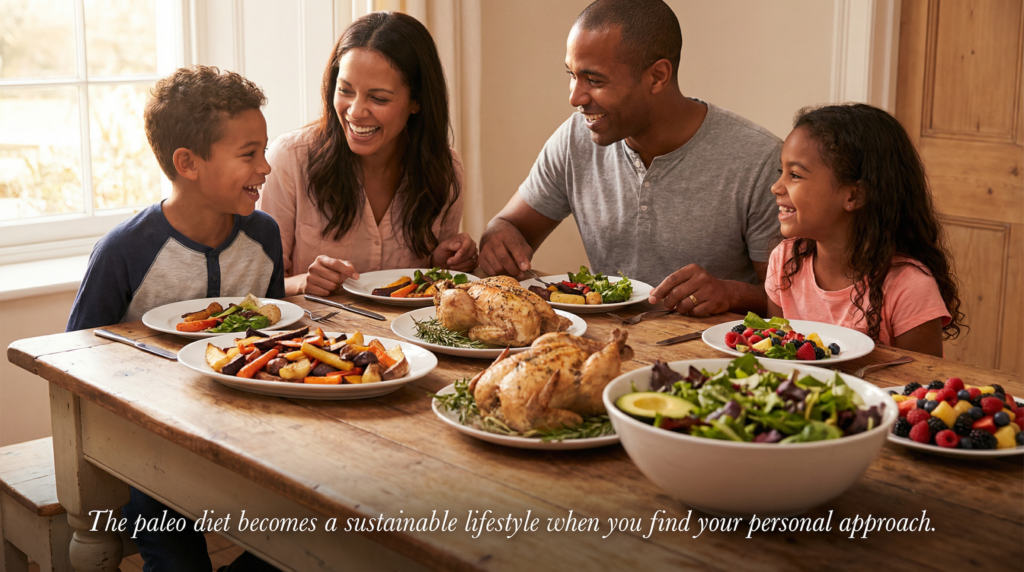
The key is finding your sustainable version. Maybe you follow the principles strictly during the week but relax a bit on weekends. Maybe you eat ancestral diet style at home but don’t stress about it at restaurants. Perfect adherence isn’t necessary to get most of the benefits.
Building a repertoire of go-to meals you genuinely enjoy makes everything easier. If you’re forcing down foods you hate, you won’t last. Experiment with recipes, seasonings, and cooking methods until you find versions that excite you.
Community helps too. Whether it’s online groups, local meetups, or just convincing a friend to join you, having support makes the journey more enjoyable and sustainable. Sharing recipes, troubleshooting challenges, and celebrating wins together keeps motivation high.
Remember why you started when challenges arise. Whether it was weight loss, better energy, managing a health condition, or just feeling better overall – keeping that goal visible helps you push through moments of temptation or difficulty.
The Bottom Line on Paleo Diet Benefits
Look, the paleo diet isn’t magic, and it’s not going to solve every problem in your life. But what it can do is provide a solid foundation for optimal health by aligning what you eat with what your body was designed to thrive on.
The benefits we’ve covered – weight loss, blood sugar stability, reduced inflammation, better digestion, improved heart health, mental clarity, quality sleep, sustained energy, and enhanced athletic performance – these aren’t theoretical. They’re outcomes thousands of people experience when they commit to the whole foods approach.
Is it perfect for everyone? No diet is. Some people need modifications for specific health conditions or personal circumstances. But the fundamental principles of eating real, unprocessed, nutrient-dense foods? That’s universal wisdom that transcends any particular dietary label.
The ancestral diet framework gives you permission to eat satisfying, delicious foods while nourishing your body properly. You’re not counting calories, weighing portions, or living in deprivation. You’re simply eating real food that humans have thrived on for hundreds of thousands of years.
Whether you jump in fully or start by incorporating more paleo principles gradually, the direction is what matters. Every meal of whole foods instead of processed junk is a win. Every day of stable blood sugar instead of glucose chaos improves your health. Every week of reduced inflammation protects your long-term wellbeing.
Your body knows what to do with real food. Give it the raw materials it needs, remove the garbage that’s holding you back, and watch what happens. The hunter-gatherer diet approach isn’t about perfection – it’s about progress toward a healthier, more vibrant version of yourself.